Trinidad and Tobago is one country, but its two islands have different histories, landscapes and food traditions. Most of what is sold as "Trinidad food" abroad is Trinidadian. Tobago's cooking deserves its own introduction.
Two islands, different stories
Trinidad, the larger island, is the more populous and ethnically mixed of the two, shaped by African, Indian, Indigenous, European, Chinese, Portuguese, Syrian and Lebanese communities, among others. That variety shows on the plate: curry and roti, pelau, Chinese-Trinidadian dishes, and a deep street-food culture.
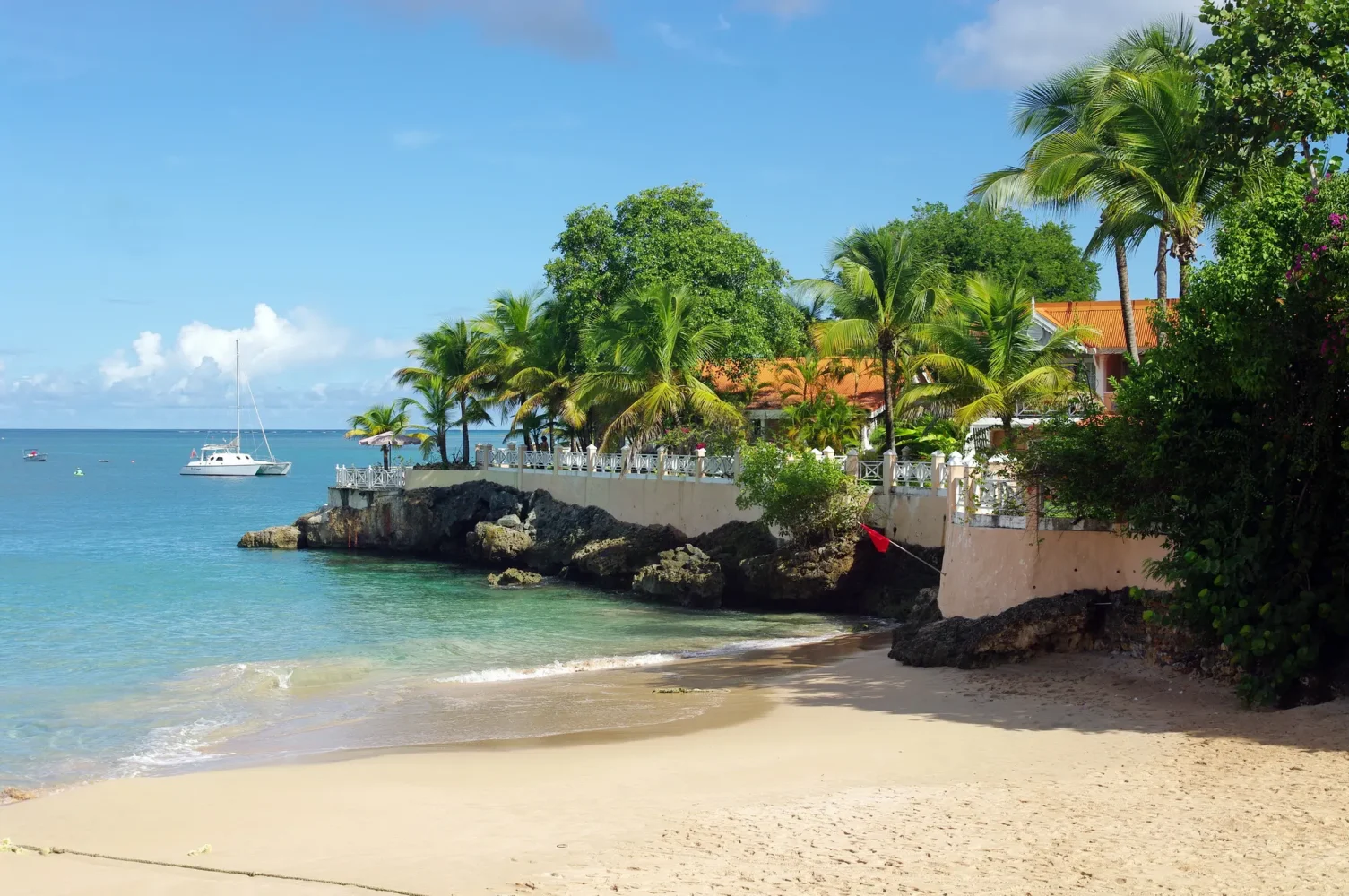
Tobago is smaller, quieter and more rural, with strong African-descended traditions and a close relationship with the sea. Tobago cooking is often described as more rooted in provisions (root vegetables), coconut and seafood, though home cooking on both islands varies from family to family.
Dishes associated with Tobago
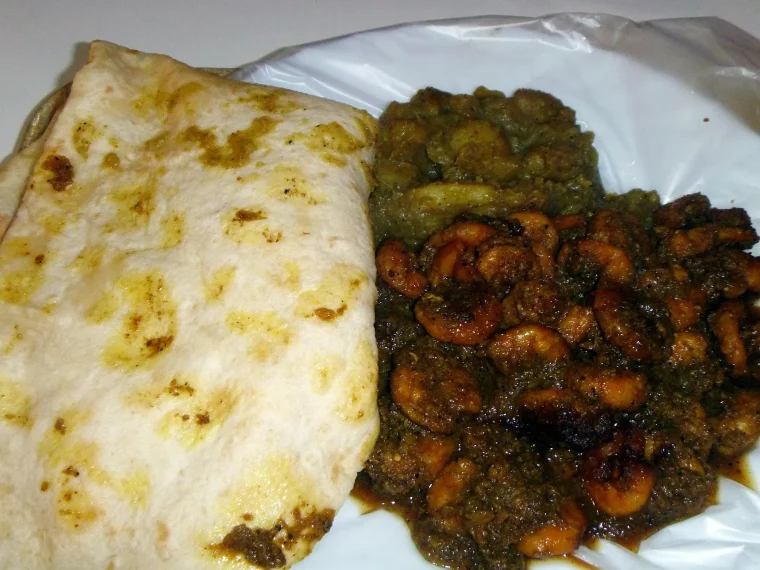
- Curry crab and dumplings. One of the island's best-known dishes, sold at beach food stalls and cooked for special occasions.
- Blue food. A local name for dasheen and other provisions, which can turn bluish when cooked.
- Coconut in everything. In bakes, sweets and drinks as well as savoury pots.
- Fresh fish and seafood. Grilled, fried or stewed, often bought straight from the fishing boats.
Dishes associated with Trinidad
- Doubles and roti. Indo-Trinidadian street food and roti shops are everywhere.
- Bake and shark. Linked with Maracas Bay on the north coast.
- Corn soup. The after-fete favourite.
- Chinese-Trinidadian cooking. Its own style, from fried rice and chow mein to dishes made with local seasonings.
What both islands share
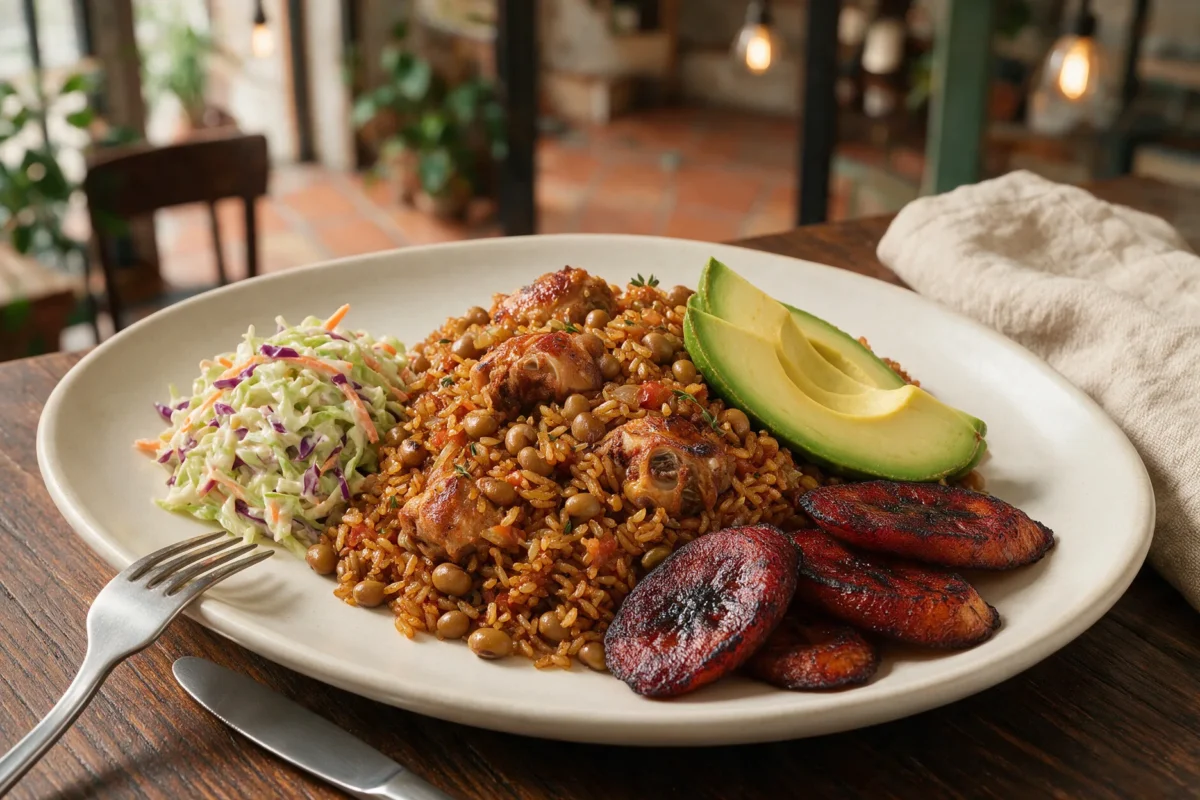
Much of the food you will find on this site is cooked on both islands: pelau, callaloo, macaroni pie, stewed chicken, green seasoning, sorrel at Christmas and black cake for celebrations.
A note on generalisations
Any guide like this simplifies. Plenty of Tobagonians cook curry and roti; plenty of Trinidadians grew up on provisions and crab. Families on both islands have their own versions of everything, and those variations are the point. We would love to hear how your family does it: get in touch.